Tel./WhatsApp:
+86 15266206885
E-mail:
[email protected]


Avoid your inquiry is delay response, please enter your WhatsApp/Skype along with the message, so we can contact you at the very first time.
We will reply you within 24 hours. If for urgent case, please add WhatsApp/WeChat: ,. Or call directly.
Missed labels, slow hand packing, and costly rework can quietly drain profit. When label placement slips or band application stops the line, delays stack up fast. The right automatic labeling and banding system solves that problem with faster, cleaner, more consistent packaging.
An automatic labeling and banding system combines precise label application, controlled product handling, and smart banding machines to improve speed, accuracy, and traceability. For B2B factories, warehouses, e-commerce fulfillment centers, and distribution operations, it helps automate packaging work, reduce manual errors, and support scalable, compliant production.
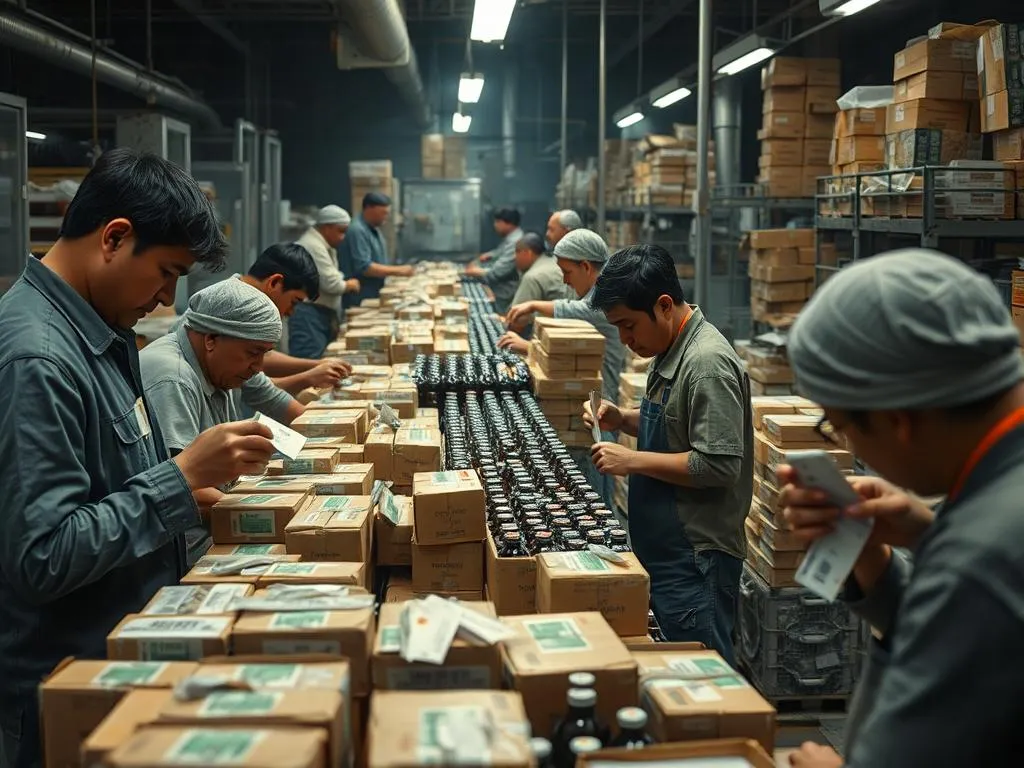
automatic labeling
What Is an Automatic Labeling and Banding System?
Why Do B2B Buyers Choose to Automate Labeling and Banding?
How Does a Labeling Machine Work on a Modern Packaging Line?
Where Do Banding Machines Fit in the Full Solution?
What Products Can an Automatic Labeling System Handle?
How Important Are Print Quality, Accuracy, and Orientation?
Can the System Integrate Seamlessly Into Existing Production Lines?
What Features Matter Most in an Industrial Labeling Solution?
How Do Automatic Labeling Machines Improve Efficiency and Reduce Downtime?
What Should You Ask Before Buying Banding Machines or a Labeling Machine?
What Does a Good Custom Packaging Automation Partner Look Like?
Are Compliance, Standards, and Traceability Part of the Buying Decision?
A Practical Case Study: Why One Packaging Line Upgrade Pays Off
At its core, an automatic labeling and banding system is a coordinated system that identifies, positions, marks, and secures products during the packaging process. One part handles the label, another may apply a paper or film band, and the full setup works as one solution to move products through the line with less manual handling.
In practical terms, this means a labeling machine can print and place the right label on the right product at the right time, while banding machines group or secure items for easier transport, shelf display, or order handling. In many facilities, the goal is not only to improve appearance. It is to improve flow, traceability, and repeatability.
As a manufacturer of automatic packaging equipment, we often see buyers start with a simple need: “I need a faster way to label cartons, trays, bottles, or bundles.” Very quickly, that need becomes broader. They also want less downtime, better control, smoother integration, and a more flexible design that fits future growth.
Most B2B buyers do not invest in automation because it looks modern. They invest because manual work becomes expensive, inconsistent, and hard to scale. PMMI says productivity remains a top priority in packaging operations, and labor shortages continue to push manufacturers toward smarter automation.
That is why more companies want to automate repetitive label and band tasks. In manufacturing and warehousing, labor-intensive processes create bottlenecks. A tired operator may place the wrong label, apply it crookedly, or miss a scan point. That creates rework, customer complaints, and wasted material.
An automatic setup changes that equation. It helps reduce handwork, improve accuracy, and deliver more predictable throughput. For growing businesses in logistics, e-commerce, and distribution, that matters. A scalable labeling system supports daily order peaks without adding more stress to the team.
A modern labeling machine usually combines product sensing, timing, motion control, and an applicator head. Products enter the line, the machine detects position and orientation, and the label is dispensed at the correct moment. Depending on the product, the machine may wipe, tamp, blow, or wrap the label into place.
Many automated labeling machines use servo motion for better precision and consistent placement. That matters when package size changes, when high speed is required, or when barcodes and date codes must be readable every time. A smart recipe can store settings for different SKUs, helping the operator switch jobs faster.
Some systems also include a thermal transfer printer or other print module. This allows real-time coding, batch data, or variable product information during label application. For B2B buyers, that is a major gain because one machine can both print and apply in one continuous step.
While a labeling machine identifies the product, banding machines help secure, group, or present it. A band can hold cartons, sleeves, folded products, or promotional packs together. It can also replace more material-heavy secondary packaging in some application scenarios.
This is why banding and labeling are often discussed together. A company may need a visible label for traceability and a clean band for bundling. In retail-ready or warehouse-ready packs, the two functions support each other. One communicates information. The other keeps the pack neat and easy to handle.
Advanced banding technology also supports branding and sustainability goals. Some buyers want a lighter pack format than full shrink wrap. Others want a cleaner look for premium products. The right banding machines can provide a compact, efficient, and customizable answer.
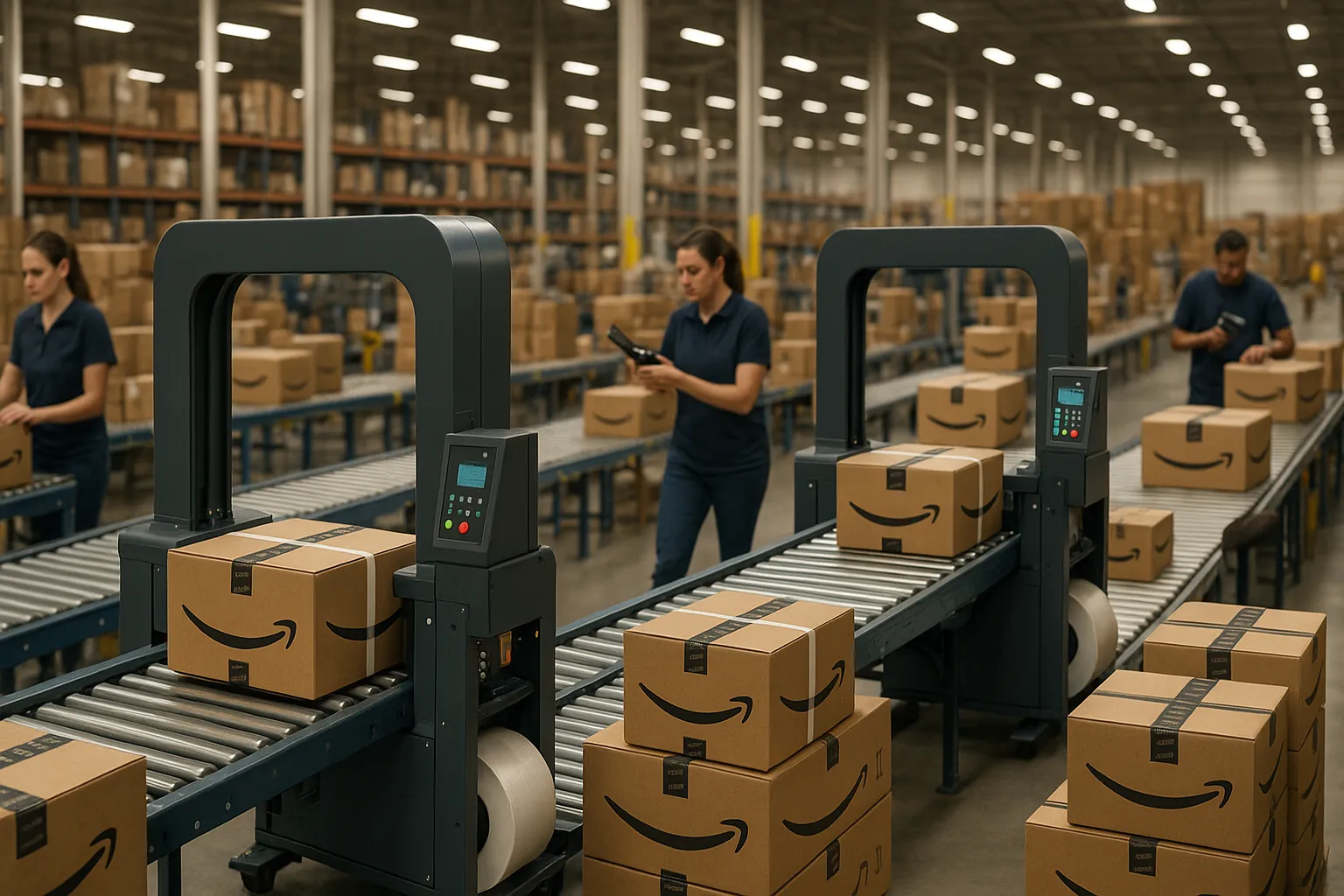
Banding Machines
The short answer is: many, if the system is designed correctly. A good labeling system can handle a bottle, a carton, a pouch, a tray, a clamshell, a shrink bundle, or a larger container. The real question is not whether the machine can label a product. The real question is whether it can do so consistently at your required speed and with the right orientation.
For example, a top-and-bottom labeling machine may work well for food trays and e-commerce parcels. A side labeler may suit jars, boxes, or rigid packs. A wrap-around solution fits cylindrical containers. A print-and-apply setup is often strong for logistics labels on shipping cartons or pallets.
This is where custom engineering matters. Product size, surface material, spacing, and movement all affect how the label should be dispensed. A strong supplier will review the full application, not just sell a standard machine. That is how a better long-term solution is built.
They are critical. In real production, a label is not just a sticker. It carries product identity, traceability, compliance, and brand value. If the code is unreadable or the placement is poor, the product may fail downstream scanning or customer inspection.
GS1 notes that barcode standards are essential for identifying products and sharing trusted data across supply chains, and barcode print and placement rules directly affect scan performance.
That is why orientation, accuracy, and print clarity matter so much. A precise servo-driven setup helps ensure the label lands in the correct position. A stable transport path helps the container move without drift. And the right printer helps keep variable information clear and consistent.
In our experience, buyers often focus first on headline speed. But long-term value usually comes from the quieter details: fewer misapplied labels, less rejected stock, fewer scanner faults, and less wasted packaging material.
Yes, and for many buyers, that is the deciding factor. The best equipment does not force a factory to rebuild everything. It should integrate seamlessly into existing production and work seamlessly into existing production lines with practical upstream and downstream connections.
A modular design makes that easier. A modular frame, adjustable guides, and recipe-based controls help the system fit different product formats and existing production lines. This is especially important for facilities that run many SKUs or have limited floor space.
Inline integration also supports traceability and data flow. A strong inline setup can communicate with printers, scanners, reject units, checkweighers, and conveyors. For buyers upgrading older processes, that means automation can be added step by step instead of all at once.
Not every buyer needs the same features, but some priorities come up again and again. B2B users usually want a reliable solution that is easy to run, easy to clean, and easy to scale. That includes rugged construction, stable motion, and simple changeover.
Here is a practical comparison table:
| Feature | Why It Matters | Typical Buyer Benefit |
|---|---|---|
| Servo drive | Better motion control and placement | Higher precision and less waste |
| Recipe storage | Fast product changeover | Reduced setup time |
| Adjustable guides | Handles more than one size | Greater flexibility |
| Print + apply option | Variable data on demand | Better traceability |
| Stainless steel frame | Suitable for tougher environments | Longer machine life |
| Smart HMI | Simple for the operator | Easier training |
| Modular build | Easier to expand or adapt | Better future fit |
A buyer in food, pharma-adjacent packaging, or cosmetics may care more about hygiene and clear validation. A warehouse buyer may focus more on shipping labels and high-volume parcel flow. An e-commerce operation may care most about uptime and scan-ready label placement.
That is why the best industrial solution is not the most complex one. It is the one that matches the real production requirement.
A good automatic system improves efficiency in more than one way. It does not only move faster. It also cuts interruptions. That means fewer stops for hand application, fewer alignment errors, and fewer corrections after labeling.
When a line is designed well, it can help eliminate common causes of delay. Stable handling reduces jams. Better product sensing improves placement. Stored settings reduce setup mistakes. The result is often reduced downtime, smoother labor planning, and more predictable output.
Here is a simple text chart showing the typical operational shift buyers aim for:
Before automation
Manual label placement
Variable positioning
More labor-intensive handling
Higher chance of rework
Slower line balancing
After automation
Automated label application
Better placement accuracy
Lower manual touchpoints
Faster changeover
Stronger high-volume performance
For facilities under tight delivery windows, those gains are very real. One missed shipment may cost more than a better machine. That is why many packaging teams view automation as an operational safeguard, not just a capital project.
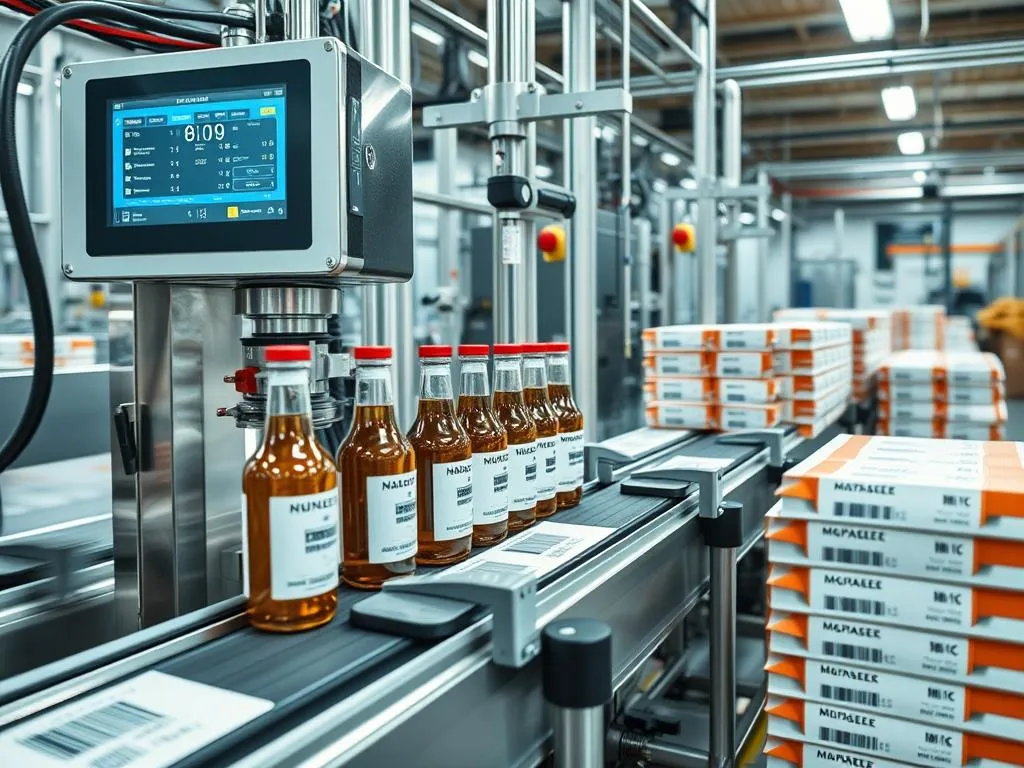
Auto Labeler Machines
Start with the product. Then move to the process. Buyers sometimes shop by model name or sale price first, but that often creates mismatch. The smarter path is to define the task clearly.
Ask questions like these:
What product or container will the machine handle?
What is the required speed per minute?
Does the label need to be printed online?
Is wrap, tamp, wipe, or blow-on label application best?
Do you need banding machines for grouping or retail presentation?
Will the machine run inline or as a mobile station?
Must it integrate with scanners or other equipment?
How many product recipes will exist?
What level of training does the operator need?
It is also wise to ask about service, spare parts, software support, and test runs. A good supplier should be able to validate the application before shipment and explain how the machine will function in your real production environment.
A strong partner goes beyond selling a box with motors. They understand the full packaging workflow. They ask about product variation, line balance, coding, validation, and maintenance. They also know that a machine must support the buyer’s brand, labor plan, and growth targets.
From our side as a professional manufacturer of automatic packaging machines, the best projects begin with clarity. We review the pack format, output target, label format, and integration points. Then we recommend a customizable layout that can fit the client’s real workflow rather than forcing the workflow to fit the machine.
That approach matters because no two factories are identical. One client may need a top label on a tray. Another may need a print-and-apply unit for corrugated cartons. Another may need combined banding machines and label modules for promotional bundles. The right solution is always application-led.
Absolutely. In many sectors, labeling is not just a marketing tool. It is part of compliance, product safety, and customer trust. The FDA publishes detailed guidance on food labeling requirements, and GS1 standards support barcode identification and data sharing across supply chains.
For B2B buyers, this means the machine must do more than run fast. It must place the correct label in the correct position, with data that can be scanned and verified. That is especially important when shipping into regulated or multi-channel markets.
Traceability also matters in logistics and distribution. A clean label supports receiving, sorting, stock movement, and returns handling. In short, better labeling supports better business control.
Let’s take a common example. A distribution client was running mixed cartons and promotional bundles with hand-applied labels. Output was acceptable during slow periods, but during seasonal peaks, the team could not keep pace. Misplaced labels and inconsistent band tension led to checking, repacking, and delayed dispatch.
The upgrade path was simple: an automatic labeling and banding system with recipe storage, servo-controlled label placement, and a compact inline layout. The new setup did not need a full plant redesign. It was built to integrate seamlessly into existing production and support future SKU growth.
The result was not magic. It was structure. The client gained steadier output, fewer rejected packs, and cleaner presentation. More importantly, the team trusted the process. That confidence is often the hidden value of a well-built system.
What is the difference between a labeling machine and banding machines?
A labeling machine places identification or branding information on a product or pack. Banding machines apply a band to bundle, secure, or present products. Many operations use both for a complete packaging solution.
Can one system handle different product sizes?
Yes, many modern systems are built for multiple SKU formats. Adjustable guides, recipe memory, and modular tooling help the machine handle different product size ranges with faster changeover.
Is a print-and-apply system good for logistics and warehousing?
Yes. It is often an excellent choice for cartons, shipping labels, and fulfillment workflows because it can print variable data and apply the label in one automated step.
How do I know if I need a custom labeling system?
You likely need a custom setup if your product shape is unusual, your line speed is high, your labels contain variable data, or your machine must connect with scanners, ERP logic, or existing production lines or function requirements.
What industries benefit most from automated labeling machines?
Manufacturing, logistics, warehousing, e-commerce, food packaging, personal care, distribution, and many other sectors benefit. Any operation that values speed, traceability, and repeatability can gain from automation.
What should I ask a supplier before purchase?
Ask about product compatibility, test samples, speed range, service support, changeover time, software, spare parts, installation, and whether the machine can scale with future output needs.
Automatic labeling and banding systems help B2B operations improve speed, consistency, and traceability.
The best solution is based on your real application, not just a machine catalog.
Labeling machine performance depends on product handling, orientation, print quality, and control.
Banding machines support bundling, presentation, and lighter secondary packaging.
Modular, inline, and recipe-driven systems are easier to scale and easier to fit into existing plants.
Compliance and scan-ready labels matter, especially in food, logistics, and regulated sectors.
A strong automation partner should understand your workflow, not just your machine budget.
The right system can reduce manual work, cut rework, and support high-volume growth with more confidence.

 English
  Français
  Deutsch (Sie)
  Русский
  Español
  Italiano
  Português
  العربية