Tel./WhatsApp:
+86 15266206885
E-mail:
[email protected]


Avoid your inquiry is delay response, please enter your WhatsApp/Skype along with the message, so we can contact you at the very first time.
We will reply you within 24 hours. If for urgent case, please add WhatsApp/WeChat: ,. Or call directly.
Vegetable packaging often wastes materials, hides product freshness, and slows lines. Labels fall off. Costs rise. The solution is a banding machine for labeling vegetables—a fast, clean, and eco-friendly way to bundle, seal, and brand produce with minimal material.
A banding machine for labeling vegetables uses OPP tape or paper bands to bundle and seal fresh produce while carrying labels and barcodes. Compared with plastic film, banding reduces packaging material, improves visibility, and speeds automated lines. It’s ideal for fruit and vegetables requiring sustainable, cost-effective, and compliant food packaging.
Cleaner labeling: Bands carry brand, barcode, and traceability without full wrap.
Lower costs: Significant reduction in packaging material and labor.
Food-safe: Gentle seal methods (including ultrasonic) protect produce.
Flexible materials: OPP or automatic paper bands; recyclable options.
Easy integration: Inline banding fits existing production lines.
Best fit: High-throughput produce packing seeking sustainable banding.
As a professional manufacturer of automatic packaging machines, we design and build automated banding solutions for the food industry, logistics, and e-commerce. This in-depth guide explains how vegetable banding works, when to choose OPP vs paper, and how to specify a system that pays back quickly.
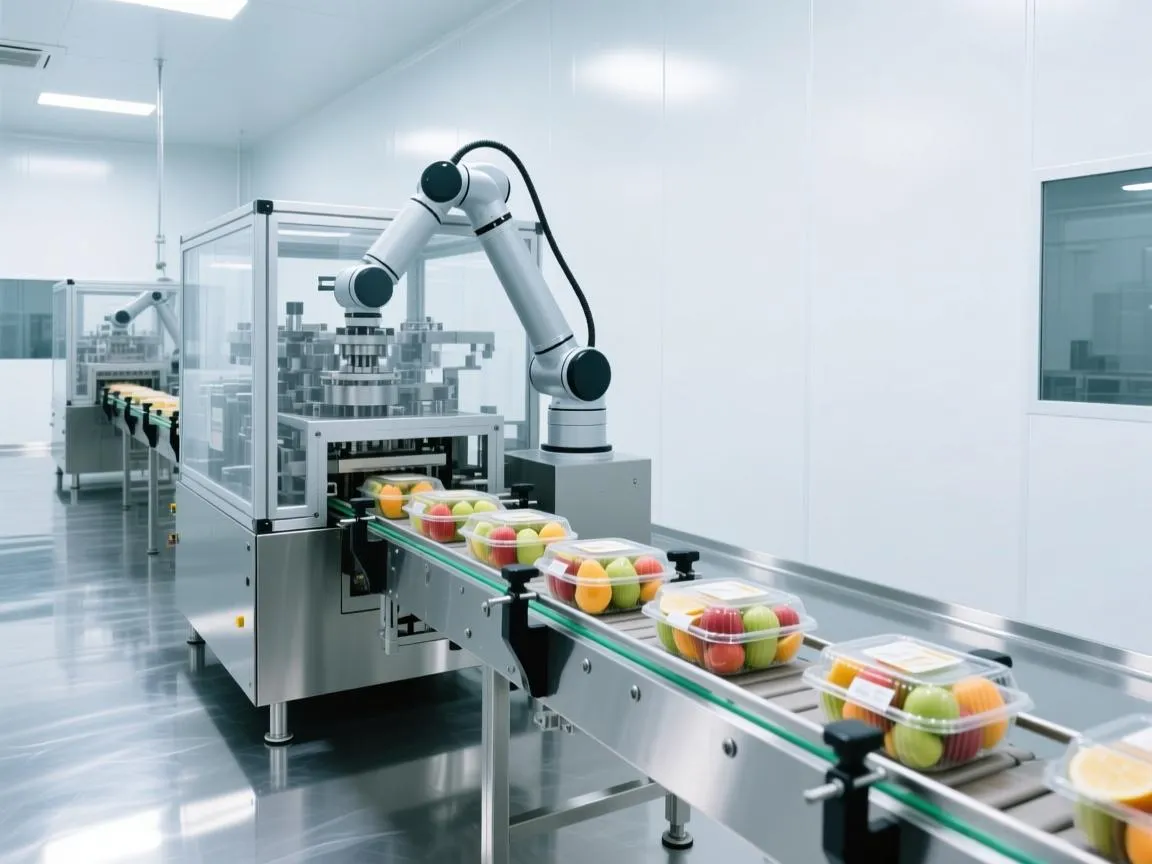
automatic packaging machines
What is bandingand why is it ideal for vegetables?
How does a banding machinework in food packaging?
Banding machine vs strapping machine: what’s the difference?
Why choose a vegetable strapping machinefor fresh produce?
OPP or paper: which banding materialshould you use?
How does ultrasonic bandingimprove seals and hygiene?
Can banding replace wrapping or a sealing machine?
Branding, barcodes, and pre-printbands at point of sale
Integration: inline banding with packaging machines
ROI checklist: costs, sustainability, and scalability
Banding bundles products with a narrow band rather than fully wrapping them. For vegetables, this keeps fruit and vegetables visible while securing a neat bundle. The approach minimizes contact, reducing damage and preserving freshness.
In practice, banding offers a lighter packaging solution than shrink film or cartons. Less material means faster handling and a cleaner shelf look—key advantages in produce aisles.
A banding machine feeds banding material around a product, tightens it to the right tension, and forms a secure seal. Modern systems use electric banding with precise control for delicate produce.
The banding process supports automatic labeling—bands can carry price, weight, or a barcode. This simplifies the packaging process and reduces rework downstream.
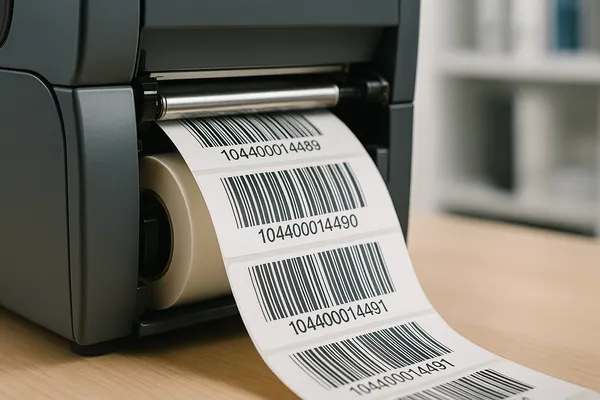
automatic labeling
A strapping machine typically uses thicker straps to secure heavy loads. Banding, by contrast, uses narrower bands designed for retail bundles and labeling.
| Use Case | Banding | Strapping |
| Delicate produce | ✅ | ❌ |
| Labeling/branding | ✅ | ❌ |
| Heavy cartons | ❌ | ✅ |
| Shelf appeal | ✅ | ❌ |
For vegetables, banding is the best choice—gentle, visible, and brand-ready.
A vegetable strapping machine (banding-type) is tuned for softness and speed. It creates consistent bundles without crushing stems or skins, protecting quality.
We’ve deployed these systems across leafy greens, herbs, and root vegetables. Results include fewer rejects and higher throughput—efficient packaging without compromise.
Material choice shapes sustainability and appearance. OPP bands offer strength and moisture resistance. Paper band options deliver a natural look and can be recyclable.
Quick guide
OPP tape banding machine: humid environments, high speed, crisp print.
Automatic paper bands: premium feel, eco-friendly packaging goals.
Both options support pre-printed paper or film for branding.
Ultrasonic banding uses vibration—not heat—to form a clean seal. This avoids adhesive residue and heat stress, improving hygiene for food packaging.
The ultrasonic sealing technology creates strong, consistent joints while reducing maintenance—ideal for fresh produce lines.
Often, yes. Banding can replace a wrapping machine or reduce reliance on a sealing machine, especially when full enclosure isn’t required.
Compared to plastic film or shrink film, banding uses less material and speeds handling. In mixed lines, banding complements a vacuum packaging machine for SKUs that need enclosure.
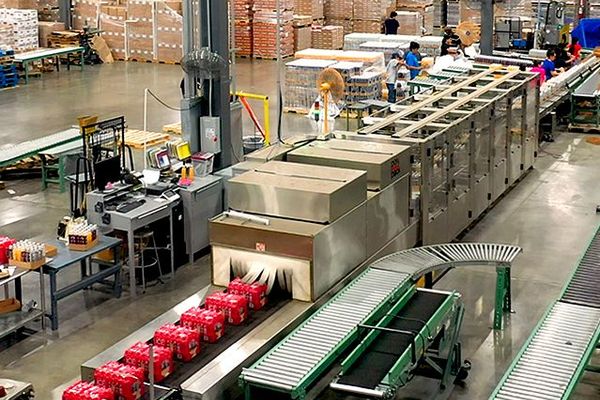
Banding shines at point of sale. A narrow band can carry brand and label information, nutrition icons, or traceability codes—without hiding the product.
With pre-print capability, you eliminate secondary labels. Brands report faster shelf stocking and better consumer trust.
Today’s automatic banding system supports inline banding. Machines can integrate seamlessly into existing production lines, syncing with weighers, sorters, and checkweighers.
We deliver fully automated systems—from machine strapping modules to bundling machine stations—tailored to line speed and footprint.
Evaluate ROI
Packaging material costs reduced by narrow bands
Labor savings via automated banding solutions
Sustainability gains from sustainable banding
Faster changeovers and higher uptime
When specified correctly, banding becomes a sustainable solution with fast payback.
Is banding safe for fresh vegetables?
Yes. Controlled tension and gentle seal methods protect produce.
Can banding carry labels and barcodes?
Absolutely. Bands support automatic labeling and pre-print designs.
Is paper banding strong enough?
For most produce, yes. Paper sleeves perform well and are recyclable.
How fast are automatic banding systems?
High-speed models match modern lines and improve efficient packaging.
Does banding reduce plastic use?
Yes. Many users see a major reduction in packaging versus film.
Banding delivers clean labeling with minimal material.
OPP and paper bands fit different moisture and branding needs.
Ultrasonic banding improves hygiene and seal quality.
Inline integration boosts speed and lowers labor.
The right system cuts costs and supports sustainability goals.
Next Step (Expert-Led):
If you’re evaluating a banding machine for labeling vegetables, share your line speed, product mix, and sustainability targets. We’ll recommend a configuration—materials, sealing method, and integration—that fits your operation and scales with demand.

 English
  Français
  Deutsch (Sie)
  Русский
  Español
  Italiano
  Português
  العربية