Tel./WhatsApp:
+86 15266206885
E-mail:
[email protected]


Avoid your inquiry is delay response, please enter your WhatsApp/Skype along with the message, so we can contact you at the very first time.
We will reply you within 24 hours. If for urgent case, please add WhatsApp/WeChat: ,. Or call directly.
Ready meals producers face rising labor costs, packaging waste, and damaged products during transport.
Agitate: Manual strapping and bulky packaging slow down packaging operations, hurt product presentation, and increase waste.
Solution: A modern banding machine delivers a clean, automated, and sustainable packaging solution tailored for ready meals.
A banding machine for ready meals packaging uses paper or film straps to securely bundle food trays and packs, improving packaging efficiency, reducing waste, protecting products, and supporting sustainable food packaging on automated packaging lines.
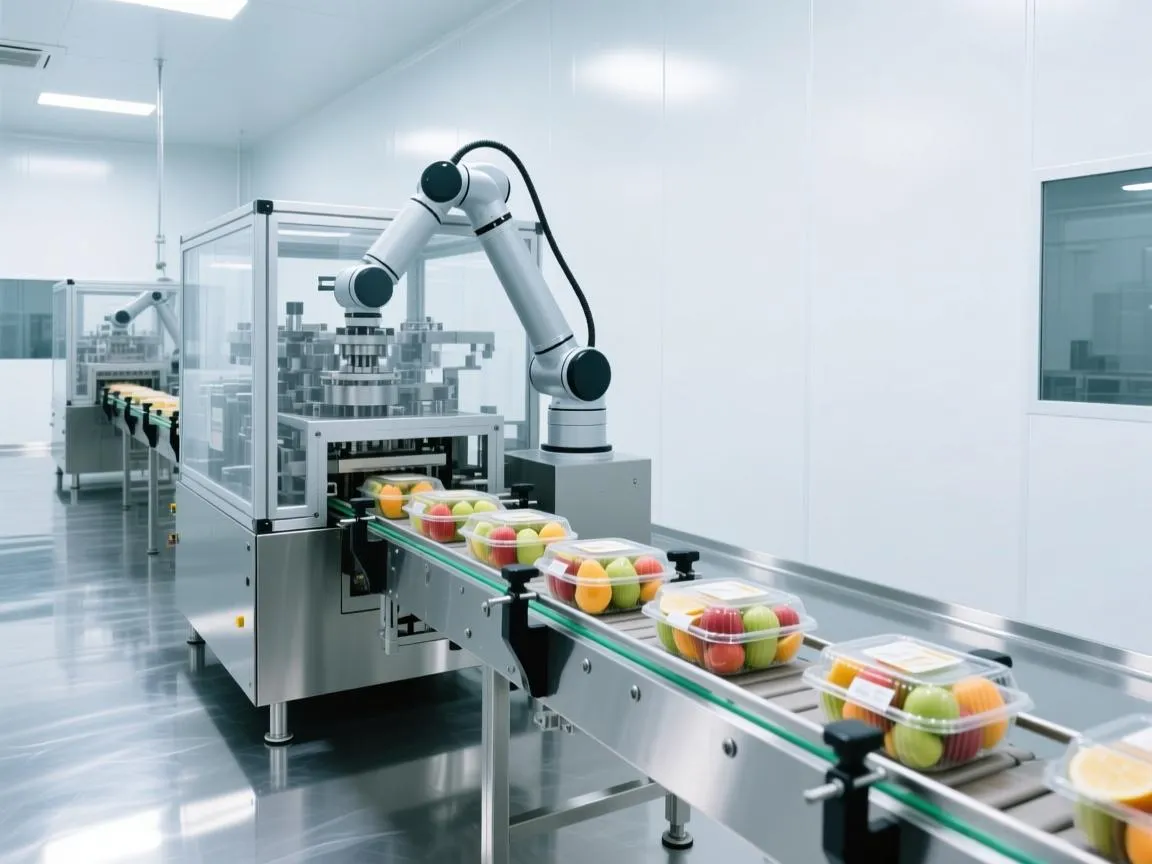
automatic packaging machines
As a professional manufacturer of automatic packaging machines, we work closely with B2B buyers across the food industry, logistics, warehousing, e-commerce, and distribution. Ready meals packaging is one of the fastest-growing segments we serve.
In this guide, I’ll share first-hand manufacturing and integration experience to help you understand how banding, banding machines, and paper banding solutions can optimize packaging operations, reduce costs, and future-proof your packaging lines.
We’ll cover:
What banding really is and how it works
Why ready meals packaging needs banding solutions
Automatic vs semi-automatic banding machines
Sustainable packaging with paper banding
How to choose the right banding equipment
Real-world use cases in food packaging
Banding is a packaging process that uses a narrow strap—typically paper or film—to secure a product or bundle without excessive material. Unlike shrink wrap or bulky cartons, banding applies just enough tension for secure packaging.
In packaging for ready meals, banding replaces heavy plastic films with lightweight, efficient restraint. This makes the banding process ideal for food trays, meal kits, and multipacks.
From a manufacturer’s perspective, modern banding technology improves throughput, reduces material usage, and enhances product presentation—all critical for competitive food packaging operations.
Ready meals require packaging that is clean, fast, and visually appealing. A banding machine delivers all three.
Ready meals producers use banding to:
Bundle trays without crushing lids
Apply paper sleeves for branding
Protect products during transport
Unlike manual strapping, a banding machine ensures consistent tension settings, reducing product damage and operator error.
In our experience supplying banding equipment to food factories, banding is one of the most effective ways to improve packaging without redesigning the entire packaging system.
A banding machine feeds banding material around the product, applies controlled tension, and seals the strap—often using ultrasonic banding or heat.
In automated environments:
Products move along packaging lines
The machine applies the band inline
Bundles exit ready for palletizing or pallet wrapping
Modern banding machines integrate seamlessly into an existing production line, helping manufacturers streamline the overall packaging process.
Choosing between semi-automatic and fully automatic banding depends on volume and layout.
Semi-Automatic Banding Machine
Operator places product manually
Lower investment
Ideal for flexible or low-volume packaging
Fully Automatic Banding System
Inline, hands-free operation
High throughput
Best for large-scale ready meals production
Many customers start with semi-automatic models and later upgrade to automatic banding systems as demand grows.
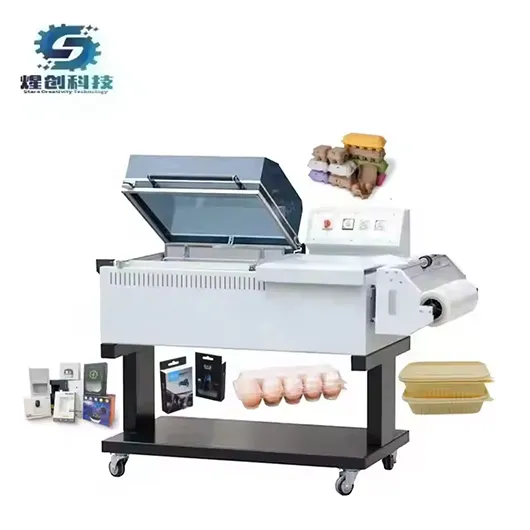
The most common banding material options include:
Paper banding (recyclable, food-friendly)
Thin plastic films (less common today)
Paper banding is increasingly preferred in the food industry because it supports eco-friendly packaging, enables reduction in packaging, and helps brands meet sustainability goals.
Paper straps can also be pre-printed paper for branding, barcode placement, or point of sale messaging—enhancing both product protection and presentation.
Sustainability is no longer optional. A banding solution supports sustainable packaging by design.
Benefits include:
Reduce packaging waste
Lower packaging material costs
Replace plastic films with recyclable paper
Reduce carbon footprint in logistics
Many customers report a visible reduction in packaging volume after switching from shrink wrap to banding for ready meals.
To optimize packaging operations, manufacturers need consistency, speed, and reliability.
Modern banding systems help:
Automate repetitive tasks
Reduce manual handling
Improve packaging performance
We’ve seen customers cut labor costs significantly by replacing manual strapping with automated banding solutions, especially in multi-shift food packaging plants.
Yes. Food packaging demands hygiene and compliance.
Our banding machines for ready meals:
Use food-safe packaging material
Avoid adhesives in contact areas
Support clean-in-place workflows
This makes banding a preferred solution for food producers compared with glue-based or fully enclosed packaging systems.
Ready meals often have delicate lids and seals. Incorrect tension causes leaks or deformation.
A banding machine applies controlled force using adjustable tension settings, ensuring:
Stable bundles
Minimal compression
Improved product protection
This directly reduces claims related to product damage during transport or retail handling.
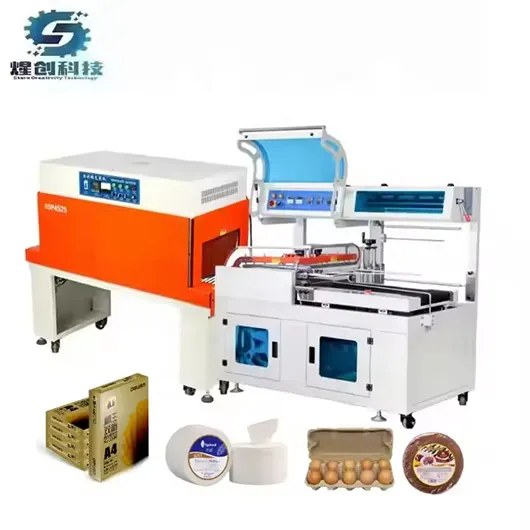
Automatic L Bar Sealer Shrink Packing Machine
When choosing the right banding, consider:
Packaging speed requirements
Product size and weight
Integration with existing packaging
Sustainability targets
Ask suppliers about:
Machine life
Support and spare parts
Experience in food industry projects
As a manufacturer with 30 years of mechanical and automation experience, we strongly recommend testing banding machines with real products before final selection.
One ready meals producer replaced plastic wrap with an automatic banding system:
Reduced packaging material costs by 35%
Improved throughput by 22%
Eliminated frequent product damage complaints
This is a common result when companies adopt modern banding machines designed for food packaging.
Is banding strong enough for ready meals packaging?
Yes. Proper banding technology provides secure packaging without damaging trays or lids.
Can banding replace plastic films completely?
In many cases, yes—especially with paper banding and sleeves.
Is a banding machine suitable for high-speed packaging lines?
Absolutely. Fully automated banding machines are designed for high throughput.
Does banding work with barcode and labeling needs?
Yes. Bands can carry barcode and branding for point of sale use.
How fast is the return on investment?
Most customers see ROI within 6–18 months due to reduced labor and material costs.
Banding machines are ideal for ready meals packaging
Banding improves efficiency, sustainability, and presentation
Paper banding supports eco-friendly packaging goals
Automated banding reduces labor and product damage
Choosing the right banding solution optimizes packaging operations
If you’re ready to optimize your ready meals packaging with efficient, automated, and sustainable solutions, a modern banding machine is one of the smartest investments you can make.

 English
  Français
  Deutsch (Sie)
  Русский
  Español
  Italiano
  Português
  العربية