Tel./WhatsApp:
+86 15266206885
E-mail:
[email protected]


Avoid your inquiry is delay response, please enter your WhatsApp/Skype along with the message, so we can contact you at the very first time.
We will reply you within 24 hours. If for urgent case, please add WhatsApp/WeChat: ,. Or call directly.
Struggling with damaged goods, high labor costs, and inconsistent pallet wrapping? This inefficiency eats into your profits, wastes valuable materials, and risks your reputation with every shipment. The solution is here: automate your end-of-line packaging to secure your products and your bottom line.
An automatic stretch wrap machine is an automated packaging system designed to apply stretch film to a loaded pallet. This equipment secures the product load to the pallet, ensuring it remains stable and protected during transit and storage. In 2026, investing in an automatic stretch wrapper is essential for any business looking to enhance productivity, reduce material and labor costs, minimize product damage, and streamline warehouse operations. This technology is the key to achieving a more efficient, cost-effective, and secure shipping process.
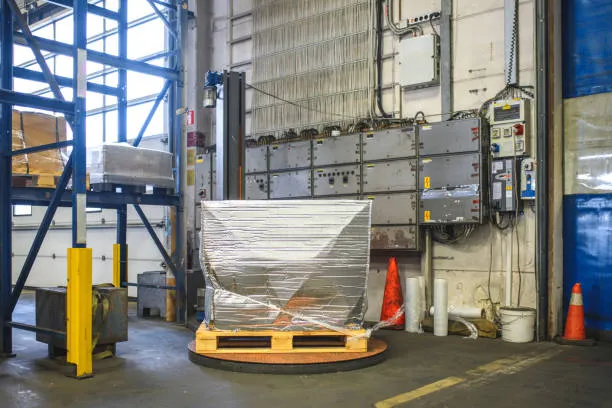
At its core, a stretch wrap machine is a piece of industrial equipment designed to wrap pallets or other large items in stretch film, a highly elastic plastic film. The purpose of this process, known as pallet wrapping, is to secure the items to the pallet, providing stability and protection against dust, moisture, and damage during shipping and storage. As a leading manufacturer of this equipment, we’ve dedicated our expertise to perfecting this crucial step in the packaging and logistics chain.
The basic operation involves placing a pallet load onto a turntable. As the turntable rotates, a film delivery system dispenses the stretch film, which adheres to itself and tightly bundles the load. The magic lies in the “stretch” itself; the film is pre-stretched before application, which increases its tensile strength and reduces the amount of film required. This process ensures a tight, secure wrap every time. Different models offer various levels of automation, from semi-automatic stretch machines where an operator initiates the cycle to fully automatic stretch systems that integrate seamlessly into a conveyorized production line.
What Exactly is a Stretch Wrap Machine and How Does It Work
Transitioning from manual hand wrapping to an automated solution is one of the most impactful decisions you can make for your operation. The primary driver is a dramatic increase in efficiency and productivity. While a manual team might struggle to wrap a few pallets per hour, a basic automatic stretch wrapping machine can process dozens. For high-volume operations, a fully automatic stretch wrap machine integrated with conveyors can handle well over 100 loads per hour.
Beyond speed, an automatic system provides consistency that manual wrapping simply cannot match. Every pallet is wrapped with the same film tension and number of rotations, creating a uniform, stable, and professional-looking load. This consistency is vital to reduce product damage during transit, which in turn saves money on returns and replacements. Furthermore, you’ll see significant material cost savings. Our machines are engineered to pre-stretch the film up to 300%, meaning you use significantly less film to achieve a more secure load compared to wrapping by hand. This efficiency doesn’t just save money; it’s also a more sustainable packaging practice.
Choosing the right wrapping machine often comes down to understanding the distinction between automatic and semi-automatic stretch wrap models. The primary difference lies in the amount of operator intervention required. A semi-automatic stretch wrapper requires an operator to place the pallet on the turntable, attach the film to the load, and initiate the wrap cycle with a button or remote. Once the cycle is complete, the operator must cut the film and remove the pallet. It’s a significant step up from hand wrapping and is a cost-effective solution for low-to-medium volume operations.
On the other hand, a fully automatic stretch wrapper requires no operator intervention. Pallets are fed into the wrapping zone via conveyors. The system automatically senses the load, applies, wraps, cuts, and seals the film, and then discharges the wrapped pallet. These machines are the cornerstone of high-volume production facilities and warehouse operations, designed to streamline the entire packaging process and reduce labor costs to an absolute minimum. While the initial investment is higher, the long-term ROI in terms of throughput and labor savings is substantial. We offer a full line of semi-automatic and automatic models to fit every need.
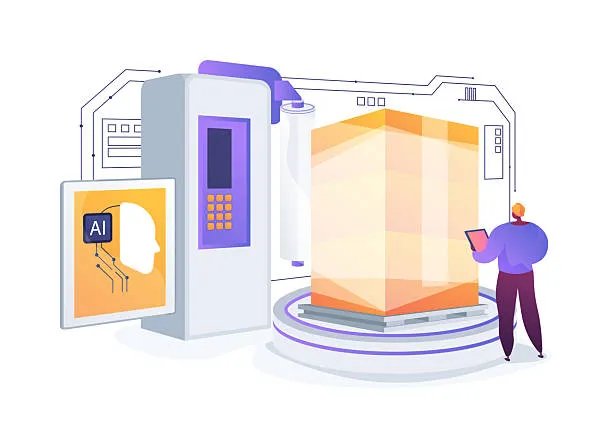
The ultimate goal of any packaging effort is to ensure the safe delivery of your product to its destination. The right pallet wrapping machine is your first line of defense against the rigors of the supply chain. Inconsistent hand wrapping often results in loose or unstable loads that can shift, collapse, or be damaged by impact. An automatic stretch wrapper eliminates this variability.
Our machines utilize advanced film delivery systems with precise tension controls. This technology ensures that the film is applied with consistent force from the bottom to the top of the pallet load. This containment force is crucial for stabilizing the products, preventing them from shifting, and essentially unitizing the entire pallet into a single, solid block. For particularly light or unstable loads, our pallet wrapping machine with top press plate provides downward pressure while the pallet remains stationary or rotates, guaranteeing a stable and secure wrap. This level of protection is simply unattainable with manual methods and is essential for minimizing costly damage.
How Can the Right Pallet Wrapping Machine Improve Product Protection
The application of automatic stretch wrapping technology spans a wide range of industries, and virtually any business that ships palletized goods can benefit. In manufacturing, from food and beverage to electronics and building materials, our machines protect finished goods as they move from the production line to the warehouse or customer. The speed of an automatic stretch wrapper is essential to keep pace with high-speed production.
The logistics and distribution sectors rely heavily on our wrapping equipment to streamline their operations. Large distribution centers process thousands of pallets daily, and automation is the only way to manage this volume efficiently. E-commerce fulfillment centers also use our stretch wrap solutions to secure outbound shipments, ensuring customer orders arrive safely. Other key industries include agriculture, pharmaceuticals, and retail—anywhere that products are palletized for shipping or storage, a stretch wrapper is a vital asset to improve efficiency and protect goods. Even specialized applications, like securing coils or tires, can be handled by our innovative stretch roll wrapping machine.
Selecting the right machine for your needs requires a careful analysis of your unique operational requirements. The first factor to consider is your required throughput. How many pallet loads do you need to wrap per hour or per day? For lower volumes (under 20 pallets per hour), a semi-auto machine is often sufficient. For higher volumes, a fully automatic stretch wrapper is necessary to keep your line moving.
Next, consider the characteristics of your load. Are your pallets of a uniform size and weight, or do they vary? Are they light and unstable, or heavy and dense? For varied load types, you may need a machine with more advanced features, such as multiple wrap pattern recipes or a top platen for stabilization. The physical space within your facility is another key consideration. We offer a variety of machine footprints, from compact turntable models to flexible, mobile robot stretch wrappers that can be moved anywhere in your facility. Our team’s expertise is in helping you evaluate these factors to recommend the perfect packaging solutions for your application.
Investing in an automatic pallet wrapping machine is not a cost; it’s a strategic investment with a clear and often rapid return on investment (ROI). The most significant savings come from two areas: labor and film. By automating the wrapping process, you can reallocate employees from the physically demanding task of hand wrapping to more value-added roles within your organization. A single automatic machine can do the work of several employees, providing 24/7 consistency without breaks or injuries.
The second major saving is in stretch film consumption. Our automatic stretch wrappers feature powered pre-stretch systems that can stretch the film by 200-300%. This means one foot of film coming off the roll becomes three or four feet of film applied to the load. Compared to manual wrapping, which typically achieves only 50-70% stretch, the material savings are enormous—often 50% or more. When you add in the reduced cost of product damage, increased throughput, and improved operational efficiency, the financial benefits of an automated stretch wrapping system become undeniable.
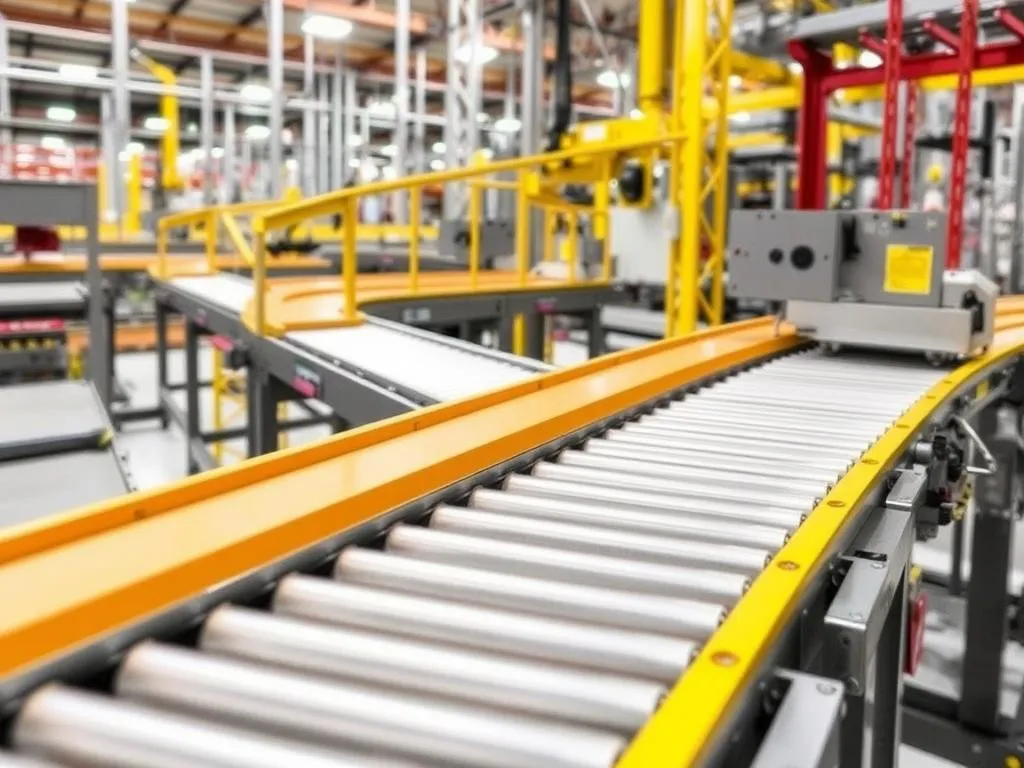
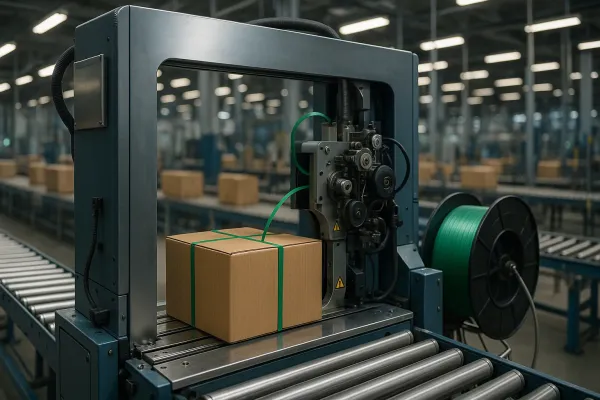
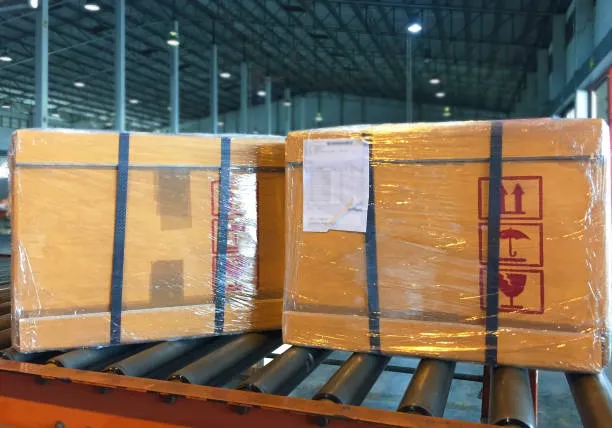
Absolutely. One of the key advantages of modern pallet wrapping equipment is its ability to integrate seamlessly into existing production and packaging lines. This is particularly true for our fully automatic stretch wrap machines. These systems are designed with conveyorized in-and-out-feed options that connect directly to your upstream and downstream equipment.
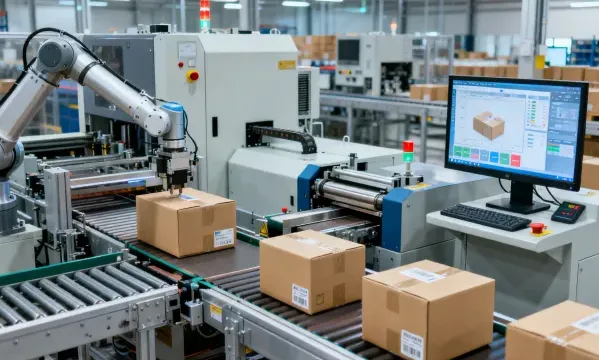
Our engineering team works with your facility managers to design an integrated solution that fits your layout and workflow. Using sensors and PLCs (Programmable Logic Controllers), the stretch wrapper can communicate with other parts of your line, such as palletizers, case erectors, and labeling systems. This creates a fully automated end-of-line packaging system that moves your product from production to a ready-for-shipping state with minimal human intervention. This level of automation is the key to maximizing productivity and achieving a truly efficient operation. Our fully automatic conveyorized stretch film pallet wrapping machine is a perfect example of a system built for integration.
Can a Stretch Wrapping Machine Be Integrated into an Existing Packaging Line
When evaluating a new stretch wrapper, there are several cutting-edge features that can significantly improve your packaging operations. Look for a powered pre-stretch carriage, as this is the feature that delivers the most significant film savings and improves load containment. The ability to control wrap parameters, such as turntable speed, carriage ascent/descent speed, and film tension, is also critical. This allows you to create and save different wrap “recipes” for various load types, ensuring optimal wrapping for every product.
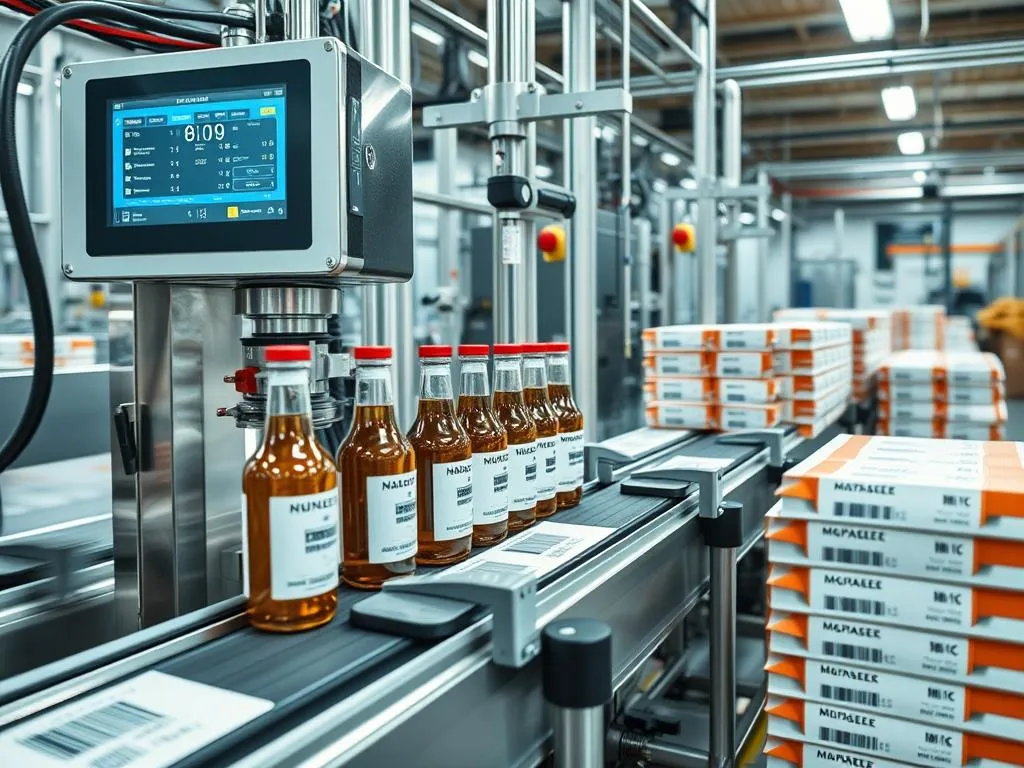
Safety features are non-negotiable. Look for safety cages, light curtains, and emergency stop buttons to protect your operators. For ease of use, a user-friendly touchscreen interface makes it simple to set up and run the machine. Finally, consider the durability and construction of the equipment. As a dedicated manufacturer, we use heavy-duty steel frames, high-quality components, and reliable motors and drives to build machines that are designed for years of trouble-free operation in demanding industrial environments.
Choosing a partner for your packaging automation journey is just as important as choosing the machine itself. When you work directly with an experienced manufacturer like us, you gain access to a wealth of knowledge and expertise. We don’t just sell machines; we provide comprehensive packaging solutions tailored to your specific challenges. Our team of experts understands the nuances of load containment, film properties, and system integration.
We guide you through the entire process, from the initial consultation and needs analysis to installation, training, and ongoing support. Our innovative designs and cutting-edge technology are born from years of hands-on experience in production facilities just like yours. We stand behind the durability and performance of our equipment, offering robust warranties and responsive service. By partnering with us, you’re not just buying a piece of wrapping equipment; you’re investing in a long-term relationship dedicated to improving your efficiency, reducing your cost, and securing your products for safe delivery.
What is the difference between stretch wrap and shrink wrap?
Stretch wrap and shrink wrap are both polymer plastic films used for packaging, but they function very differently. Stretch wrap is a highly stretchable film that is wrapped around a load under tension; its elastic memory causes it to tighten around the load, providing security. Shrink wrap, conversely, is loosely placed over an item or load, and when heat is applied, it shrinks to conform tightly to the shape of the product. We specialize in stretch wrap technology for pallet unitization.
How many pallets can an automatic machine wrap per hour?
The throughput of an automatic stretch wrap machine can vary significantly depending on the model and the configuration of the load. Entry-level automatic turntable models can typically wrap between 30-50 loads per hour. High-speed, fully integrated conveyorized systems can handle much higher volumes, often exceeding 100 loads per hour, making them suitable for the most demanding production and distribution environments.
Is an automatic stretch wrapper difficult to operate?
Not at all. Modern automatic stretch wrappers are designed with user-friendliness in mind. They typically feature intuitive touchscreen controls that allow operators to select pre-programmed wrap recipes or adjust settings with ease. Once the machine is set up for a specific load type, the operation is often as simple as pressing a start button, or in fully automatic systems, the machine operates entirely on its own without any operator input.
What kind of maintenance does a stretch wrapping machine require?
Like any industrial equipment, regular preventative maintenance is key to ensuring longevity and peak performance. Typical maintenance includes routine checks of moving parts, lubrication of chains and gears, and inspection of wear items like rollers and cutting blades. As the manufacturer, we provide detailed maintenance schedules and support to make upkeep straightforward and simple for your team.
Can these machines handle loads of different sizes and shapes?
Yes, our stretch wrap machines are designed for versatility. They can typically handle a wide range of load sizes and heights. For operations with highly variable load dimensions, we offer machines with features like auto-height sensing, which uses a photo-eye to detect the top of the load and ensure it is wrapped completely. For unconventional or very long products, a solution like a horizontal stretch wrap machine provides an effective wrapping application.

 English
  Français
  Deutsch (Sie)
  Русский
  Español
  Italiano
  Português
  العربية