Tel./WhatsApp:
+86 15266206885
E-mail:
[email protected]


Avoid your inquiry is delay response, please enter your WhatsApp/Skype along with the message, so we can contact you at the very first time.
We will reply you within 24 hours. If for urgent case, please add WhatsApp/WeChat: ,. Or call directly.
Packaging damage, loose loads, and poor shelf presentation can quietly raise your costs. When products shift, collect dust, or arrive looking unprofessional, buyers notice. Shrink wrap solves this with a simple but effective way to protect, seal, and present goods.
Shrink wrap is used to protect products, group items together, improve product packaging, and reduce damage during storage and transport. It works by placing a layer of plastic around the product, then applying heat so the film shrinks tightly around the product. The result is clean, secure, and cost-effective packaging for many industries.
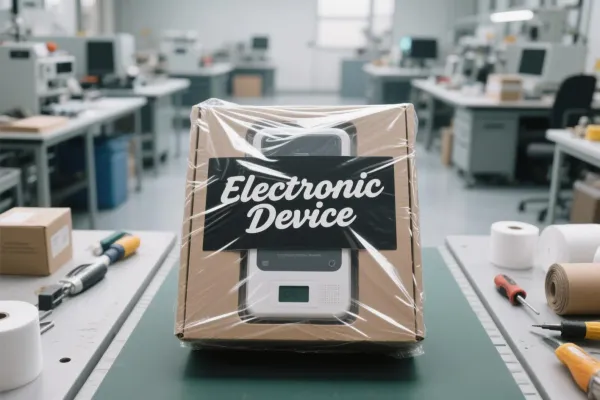
shrink-wrap-packaging-products
What is shrink wrap?
How does heat shrink wrap work?
What is the main purpose of shrink wrap in packaging?
Shrink wrap vs stretch wrap: what’s the difference?
What are the advantages of shrink wrap?
Which shrink wrap applications are most common?
What materials are used in shrink wrap packaging?
How do automatic machines improve efficient packaging?
How do you choose the right shrink solution for your packaging needs?
What mistakes should buyers avoid?
Shrink wrap is a polymer plastic film that is placed around a product or group of products. When heat is applied, the film contracts and fits closely to the shape of the item. Because it can seal, protect, and display products clearly, shrink wrap is also commonly used in retail, logistics, food, beverage, electronics, cosmetics, and industrial supply chains.
In simple terms, shrink wrap is used to enclose a product, keep items clean, and hold multiple products or multiple items together. It is often chosen when companies want better presentation and stronger protection without heavy packaging materials. For B2B buyers, this matters a lot. Good packaging reduces returns, improves warehouse handling, and helps products arrive in better condition.
As a professional manufacturer of automatic packaging machines, we often see buyers come to us after struggling with loose manual packing, unstable bundles, or slow output. Once they move to automated shrink wrapping machinery, they usually gain cleaner packs, more stable production, and lower labor pressure.
The process is direct. A product is first covered with shrink film, also called plastic shrink film. Then the film is used to seal the item or group of items. After that, a heat source such as a heat gun, shrink tunnel, or heat tunnel is used. When heat must be applied, the film contracts and shrink tightly fits the shape of the product.
This process works because the wrap is made from engineered materials and processes designed to react to temperature in a predictable way. In many packaging lines, products move through a sealing station first, then enter a shrink tunnel where even heat creates a consistent result. For smaller jobs or maintenance work, a heat gun may also be used.
A basic shrink process usually looks like this:
Product enters the packaging line
Film is placed around the product
Film edges seal
Product passes through a heat tunnel
Film contracts and protects the item
That is why heat shrink technology remains one of the most practical packaging solutions for companies that need speed, consistency, and a professional finish.
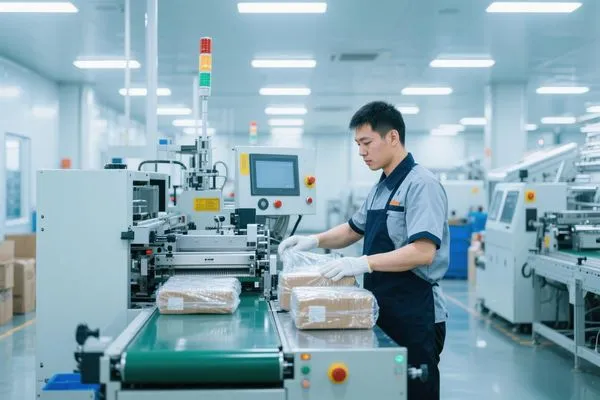
heat-shrink-wrap-machine-working-process
The purpose of shrink wrap packaging is not just one thing. It serves several key business goals at the same time. First, it helps protect products from dust, moisture, scratches, and light handling damage. Second, it helps bundle or group products together for easier sale, shipping, and storage. Third, it improves how goods look on the shelf or in delivery cartons.
For many manufacturers and distributors, shrink wrap often acts as a practical outer layer that improves handling. It can be used to wrap individual products, cartons, trays, bottles, cans, printed materials, or hardware. It can even also be used to wrap promotional multi-packs or seasonal bundles. This makes it a very flexible option for product packaging.
Here is a simple view of the main purposes:
| Purpose | Business Value |
|---|---|
| Protection | Helps reduce dust, scuffs, and light tampering |
| Bundling | Keeps multiple items together |
| Presentation | Creates a clean retail-ready look |
| Efficiency | Supports faster handling in storage and transport |
| Cost control | Can be more cost-effective than heavier alternatives |
In short, shrink wrap can be used whenever you need a neat, secure, and scalable packaging method.
This is one of the most common questions from buyers: shrink wrap vs stretch wrap, what’s the difference? Both are used in packaging, but they work in different ways.
Shrink wrap and stretch wrap are not the same. Stretch films are stretched around products or loads to create holding force. By contrast, shrink film needs heat. A simple way to remember it is this: stretch wrap doesn’t require heat, while shrink wrap does. That difference changes how each one is used.
Here is a clear comparison:
| Feature | Shrink Wrap | Stretch Wrap |
|---|---|---|
| How it works | Film shrinks when heat is applied | Film is stretched by force |
| Main use | Retail packs, bundled goods, tamper evidence | Unitizing loads on a pallet |
| Appearance | Tight, smooth, product-shaped | Elastic hold around load |
| Common equipment | Sealer + shrink tunnel | Stretch wrapper |
| Best for | Individual products and grouped packs | Securing cartons on a pallet |
If your goal is to present consumer goods neatly, add tamper evidence, or create retail-ready bundles, use shrink wrap. If your goal is to stabilize cartons on a pallet for shipping, stretch wrap is often the better choice.
The advantages of shrink technology are easy to see when you look at day-to-day operations. First, the film fits closely and gives a clean appearance. Second, it improves load and pack stability. Third, it helps protect items without adding bulky materials. These are some of the biggest advantages of shrink wrap for B2B users.
Another major benefit is flexibility. Shrink wrap applications cover both small items and large product bundles. It works for boxes, bottles, cosmetics, books, tools, food trays, and products like jars or promotional kits. Because the film conforms closely, businesses can reduce excess material while still improving pack appearance and durability.
Some of the top benefits of shrink include:
Cleaner and more professional packaging
Better tamper visibility with shrink bands
Good pack stability for storage and transport
Faster output when integrated into an automatic packaging line
Reduced labor compared with fully manual wrapping
Support for efficient packaging across high-volume operations
For many buyers, the value is simple: better-looking packs, better protection, and more predictable packing results.
There are many shrink wrap applications across industry. In retail, film is used on beverages, cosmetics, boxed products, stationery, and gift packs. In logistics and warehousing, it helps bundle products and prepare them for shipping. In manufacturing, it supports secondary packaging and batch handling. That is why shrink wrap is also seen in many industries.
Typical wrapping applications include:
Bottles and cans grouped into multi-packs
Cartons and printed boxes
Pharmaceuticals and cosmetics
Food trays and bakery packs
Books, catalogs, and paper goods
Hardware kits and spare parts
Promotional packs with multiple products
When buyers ask us where shrink wrapping performs best, the answer is broad: almost anywhere a company needs to enclose a product, improve pack consistency, and reduce the risk of movement or contamination. In fact, shrink wrapping provides a practical solution for nearly any product that benefits from a protective outer film.
Understanding shrink wrap materials helps buyers choose the right solution. The most common types of shrink film include polyolefin, polyethylene, and pvc. Each type of film has different strengths in clarity, strength, thickness, and intended use.
Here is a practical breakdown:
| Material | Typical Use | Key Notes |
|---|---|---|
| Polyolefin | Retail and general packaging | Strong, clear, versatile |
| Polyethylene shrink wrap | Heavy-duty bundles, large packs, pallet items | Tough and flexible |
| PVC | Some display-oriented packs | Less common in many modern operations |
| Low-density polyethylene | Larger industrial wraps | Good toughness |
| Linear low-density polyethylene | Stronger stretch and puncture resistance | Useful for demanding packs |
Some films are based on low-density or linear low-density polyethylene, while others use specialized polymer blends. Polymer plastic selection depends on product size, weight, sharp edges, shipping conditions, and machine type. The film is used differently depending on the application, so choosing the right material matters.
Many buyers today also ask whether shrink films are recyclable. Some are, depending on local recycling streams and the exact resin structure. That is why it is important to match your sustainability goals with the right film and machine setup.
One big reason buyers choose shrink systems is security. Shrink film can show clear signs of opening, which helps with tamper awareness. This is why shrink bands are widely used on bottle caps, jars, and containers. They are small, but they send a clear message: this product has not been opened.
At the same time, the film helps used to protect products from dust, moisture, abrasion, and surface damage. Good film selection matters here. A quality wrap can resist handling stress, and some wrap resists tearing better than low-grade alternatives. This is especially helpful for products moving through distribution centers or long-distance export channels.
For B2B buyers in e-commerce, warehousing, and distribution, this makes shrink packaging more than a visual choice. It becomes a risk-control tool. Better protection means fewer complaints, fewer damaged units, and better customer trust.
Manual packing may work at a very small scale, but growing operations usually need automation. Modern shrink wrapping machinery improves speed, repeatability, and sealing quality. It also reduces operator dependence, which helps standardize output across shifts.
A typical automatic shrink system may include a film feeder, sealer, conveyor, and shrink tunnel. This setup is ideal for businesses with high-volume packaging needs. It can handle small items, grouped packs, and regular product flows with less downtime. For operations in manufacturing, logistics, warehousing, e-commerce, and distribution, this directly improves throughput.
As a manufacturer of automatic packaging machines, we usually recommend automation when a buyer faces at least one of these issues:
Packaging speed is too slow
Seals are inconsistent
Labor cost is rising
Product size is stable enough for repeatable automation
Output demand is increasing
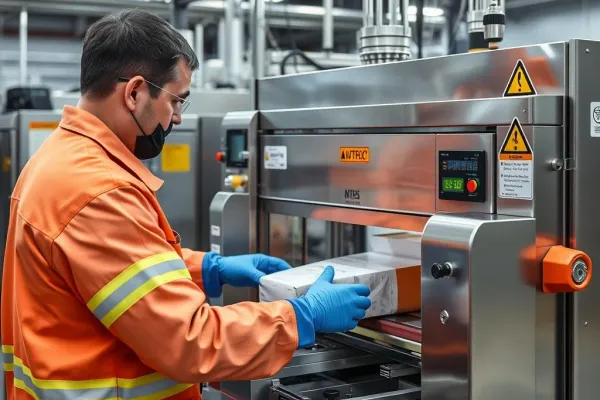
Safe shrink machine operation
Choosing the right system starts with the product itself. Ask basic questions first. What size is the item? Is it fragile? Does it need retail display quality? Will it be sold individually or in a bundle? Will it go into export cartons or move directly on a pallet?
Then look at production realities. Output target matters. Film type matters. Available floor space matters. So do operator skill level, energy use, maintenance support, and service response time. A machine that looks impressive but is hard to maintain may not be the best investment.
Here is a simple buyer checklist:
Product dimensions and shape
Required speed
Film compatibility
Sealing quality
After-sales support
Certification and machine safety
Integration with existing packaging line
For serious B2B buyers, the best supplier is not just a machine seller. It is a partner that understands your process, recommends suitable packaging solutions, and supports the machine after installation.
The first mistake is choosing film without testing the actual product. Poor film match can lead to bad seals, wrinkles, tearing, or waste. The second mistake is ignoring heat control. If the temperature is wrong, the film may not shrink evenly or may damage the product. The third mistake is buying a machine only by price.
Another common issue is underestimating future growth. A machine that fits today’s needs may become too slow in a year. This is why it is wise to think beyond immediate demand and choose a system that can grow with your business.
The final mistake is overlooking support. Good packaging equipment needs setup guidance, spare parts access, and practical training. A reliable supplier helps you avoid these problems before they become expensive.
A mid-sized e-commerce fulfillment supplier wanted to group personal care products into promotional kits. Manual packing was inconsistent, and outer presentation was poor. Products shifted in transit, and rework time was climbing.
After switching to an automatic shrink system with the right polyolefin film and a calibrated heat tunnel, the company improved pack appearance, reduced labor pressure, and cut handling complaints. The biggest gain was not only speed. It was consistency. Every pack looked the same, every time.
That is the real value of smart shrink packaging. It turns packaging from a weak point into a controlled part of operations.
What is shrink wrap mainly used for?
It is mainly used to protect products, group units together, improve shelf appearance, and support safer handling in shipping and warehousing.
Is shrink wrap better than stretch wrap?
Not always. It depends on the task. Shrink wrap is better for retail-ready packs and grouped items. Stretch wrap is better for stabilizing cartons on a load or pallet.
Can shrink wrap be used for heavy products?
Yes. Heavier products often use stronger films such as polyethylene shrink wrap, especially when bundling or industrial protection is needed.
Does shrink wrap provide tamper evidence?
Yes. It can help show visible opening or interference, especially when shrink bands are used on lids and closures.
What machine is needed for shrink wrap packaging?
Most operations need a sealer and either a heat tunnel or another controlled heat source. Small-scale jobs may use a heat gun, but automatic systems are better for higher output.
Is shrink wrap suitable for B2B packaging lines?
Yes. It is widely used in automated environments because it supports speed, consistency, and clean product packaging across many sectors.
Shrink wrap is a practical way to protect, group, and present products.
It works when heat is applied to a suitable film.
Shrink wrap vs stretch wrap comes down to application: product pack vs load stabilization.
The biggest advantages of shrink wrap are protection, presentation, and efficiency.
Material choice matters, especially between polyolefin, polyethylene, and pvc.
Automatic shrink wrapping machinery helps B2B buyers improve consistency and output.
The best solution depends on product type, speed target, and long-term packaging needs.
For manufacturing, logistics, warehousing, e-commerce, and distribution businesses, shrink systems can be a smart step toward more reliable and professional packaging.

 English
  Français
  Deutsch (Sie)
  Русский
  Español
  Italiano
  Português
  العربية