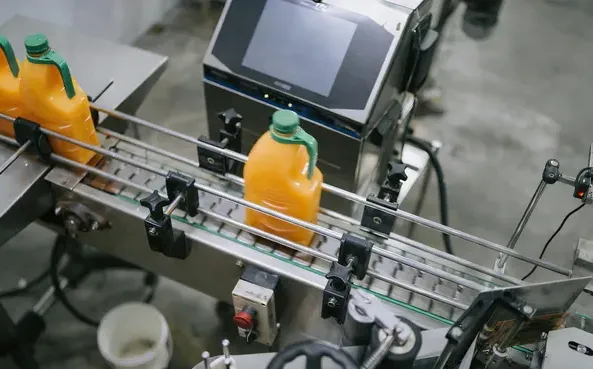
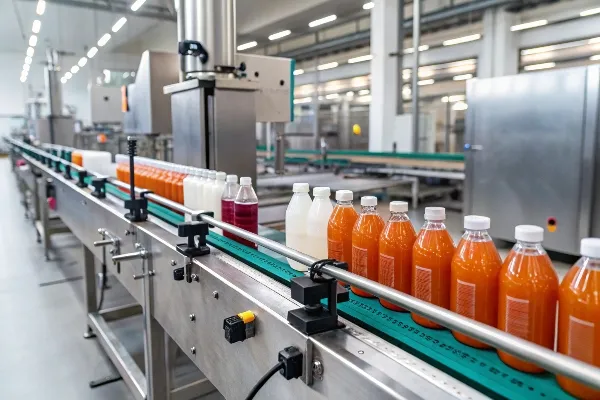
The price of a shrink wrapping machine ranges from less than $500 for manual, entry-level tools to over $100,000 for fully integrated, high-speed automatic systems. This wide spectrum exists because the final cost is not based on a single factor, but is a direct reflection of a machine’s technical capabilities.
This guide provides a clear framework for understanding these costs. The primary variables that determine the price of a shrink wrapping machine are:
- Level of Automation: The degree to which the machine requires manual operator intervention.
- Production Capacity (Speed): The number of packages the machine can process per minute (PPM).
- Sealing Technology and Size: The type of sealer (e.g., L-bar, side seal) and its maximum package dimensions.
- Integration and Customization: The machine’s ability to connect with other equipment and any modifications required for specific products.
Disclaimer: The price ranges discussed in this guide are based on an analysis of publicly available list prices from distributors and manufacturers in the North American market as of Q4 2025. These are for budgetary purposes only. Final quotes will vary based on specific options, shipping, installation, and regional pricing.
Price Benchmarks by Automation Level
The most significant driver of cost is automation. As production volume increases, investing in automation reduces labor costs and provides a return on investment. The following table outlines the typical cost-to-performance ratio.
| Automation Level |
Typical Price Range |
Production Capacity |
Ideal Application & Use Case |
| Manual Systems |
$150 – $1,500 |
1–5 PPM |
Startups, small businesses, or pilot projects wrapping fewer than 500 items per day. Involves a separate sealer and heat gun. |
| Semi-Automatic |
$3,000 – $25,000 |
5–20 PPM |
Growing operations where an operator loads each product, but the machine controls the sealing and shrinking cycle. Examples include chamber machines and semi-automatic L-bar sealer and tunnel combinations. |
| Fully Automatic |
$30,000 – $100,000+ |
20–120+ PPM |
High-volume industrial environments where products are fed via conveyor and the entire process is automated, requiring minimal operator oversight, such as with an automatic L-bar shrink packing machine. |
Price Benchmarks by Automation Level
Key Technical Factors That Influence Final Price
Beyond general automation, specific engineering choices dramatically affect a machine’s price and performance. A professional buyer should understand these details when comparing quotes.
- Sealing Technology and Machine Format
- I-Bar Sealers: The simplest and most affordable technology, suitable for low-volume sealing of bags or centerfold film.
- L-Bar Sealers: The most common format for semi-automatic and many automatic machines. The “L” shape seals two sides of a centerfold film in one motion. Price increases with the size of the sealing area.
- Side Sealers (Continuous Motion): Significantly more expensive, these machines are built for high-speed applications and can wrap products of infinite length by sealing one side continuously. The cost is driven by the complex drive systems and controls required.
- Sleeve Wrappers (Bundlers): Designed to wrap bundles of products (like beverage cans) in a “bullseye” wrap, leaving the ends open. Their cost is influenced by the size of the product bundle and the required film strength, as seen in systems for automatic PE film sleeve bundling.
- Shrink Tunnel Design and Performance
The shrink tunnel is a critical component that can represent a large portion of a system’s cost.
- Chamber Size: A larger tunnel for bigger products requires more materials, more powerful heating elements, and more robust blowers, increasing the price.
- Airflow and Heating: High-performance tunnels with advanced airflow designs, variable fan speeds, and precise digital temperature controls provide a more uniform shrink but add to the cost. Poorly designed tunnels can result in uneven shrinking and are a common issue with lower-cost equipment.
- Insulation and Energy Efficiency: Better insulation reduces heat loss, lowering long-term energy costs, but may increase the upfront purchase price.
- Production Speed and Drive Systems
- Intermittent vs. Continuous Motion: Intermittent motion machines (which stop the product for sealing) are less expensive than continuous motion systems that seal products as they move, offering much higher throughput.
- Conveyor and PLC Controls: The quality of the conveyor, the sophistication of the Programmable Logic Controller (PLC), and the inclusion of features like product spacing and photo-eye detection are major cost drivers in automated systems.
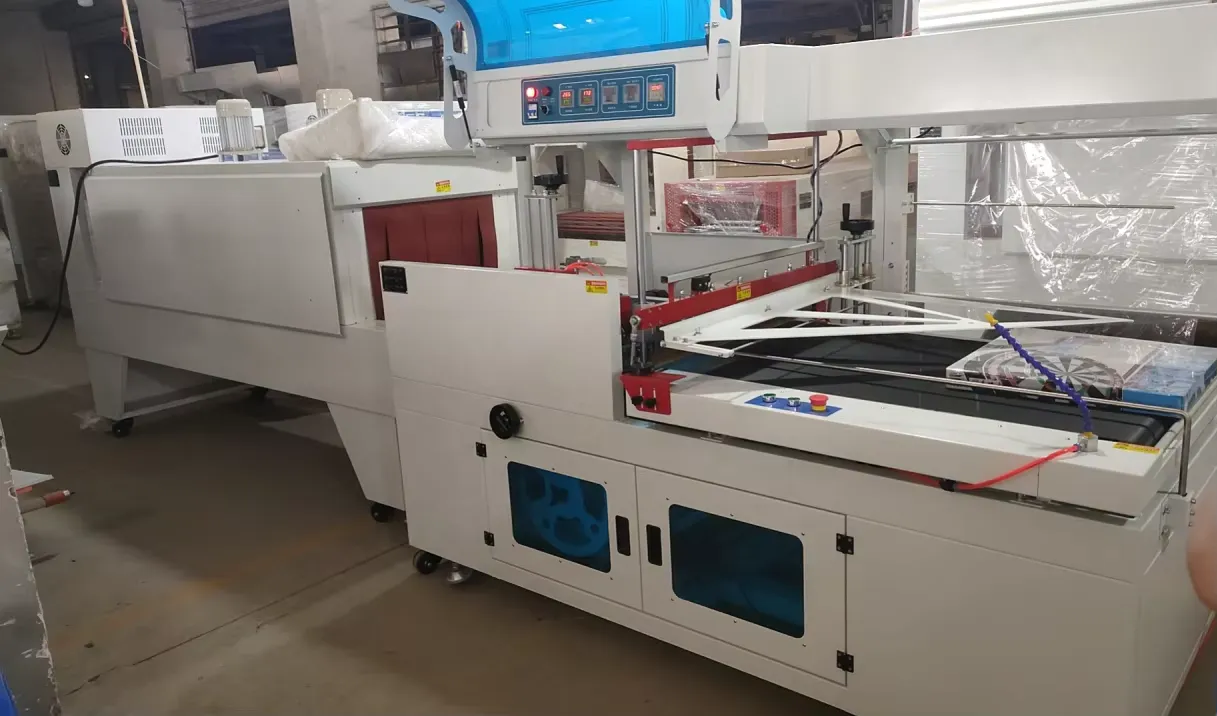
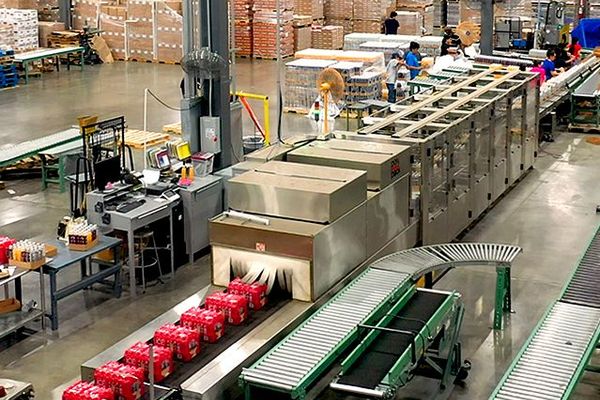
Customized Automatic L bar sealer with heat shrink tunnel
A Practical Checklist for Calculating Total Cost of Ownership (TCO)
The initial purchase price is only one part of the total investment. Use this checklist to evaluate the long-term costs associated with any machine you consider.
☐ Upfront & Installation Costs
- Machine Base Price
- Cost of Optional Add-ons (e.g., specific conveyors, stainless steel construction)
- Shipping & Freight Charges
- Installation and On-site Training Fees
☐ Recurring Consumable & Energy Costs
- Shrink Film: What type of film is required (Polyolefin, Polyethylene)? What is the cost per roll and the estimated film consumption per package? High-performance machines with pre-stretching capabilities can significantly reduce film costs.
- Energy: What is the kilowatt (kW) rating of the shrink tunnel heater and blower motor? Calculate the estimated electricity cost based on your operational hours.
☐ Maintenance & Labor Costs
- Wear Parts: What is the cost and lifespan of common wear parts like sealing wires, Teflon tape, and conveyor belts? Are they readily available?
- Labor: How many operator hours are required per shift? Compare this across different levels of automation.
- Downtime: Ask potential suppliers about machine reliability and the cost and availability of technical support or service contracts.
How to Select the Right Machine: A Decision Framework
To receive an accurate quote and choose the right equipment, approach suppliers with a clear definition of your needs.
- Define Your Product: Document the dimensions (Length x Width x Height) and weight of the smallest and largest products you need to wrap.
- Define Your Production Volume: Determine your target packages per minute (PPM) or packages per day. Consider both your current needs and your projected growth over the next 3-5 years.
- Define Your Operational Requirements: Will this be a standalone machine, or does it need to integrate with an existing production line (e.g., infeed and outfeed conveyors)?
- Request and Compare Quotes: When you receive quotes, ensure they clearly itemize the machine, optional features, and all associated costs (shipping, installation). Use the TCO checklist above to compare offers on a level playing field, not just on the initial price.

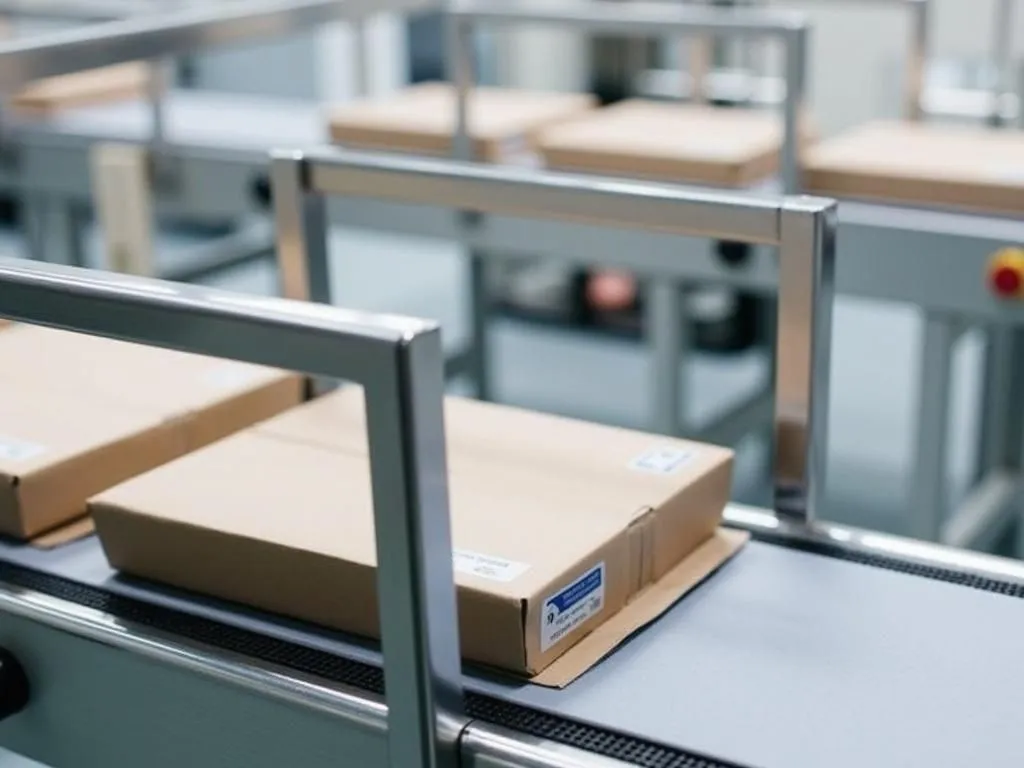
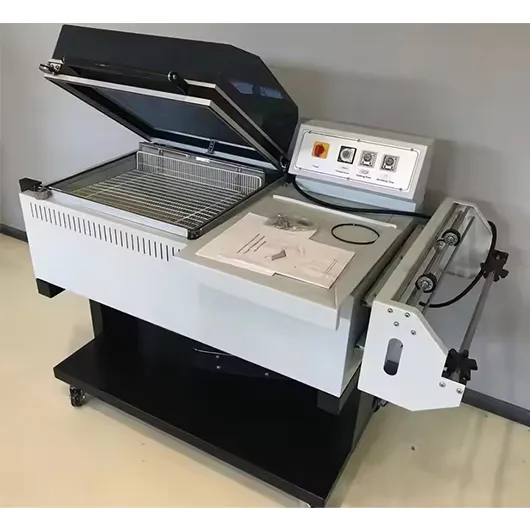
Semi Automatic Pneumatic L Bar Sealer
Frequently Asked Questions (FAQ)
- What is the most affordable way to start shrink wrapping?
An entry-level I-bar sealer and a heat gun is the lowest-cost entry point, typically under $500. This is only suitable for very low-volume or hobbyist applications.
- Should I consider a used shrink wrapping machine?
The used market can offer significant savings on the initial purchase price. However, this comes with risks: the equipment may lack a warranty, replacement parts may be hard to find for older models, and you will be responsible for arranging service and installation. This option is best for experienced teams with in-house maintenance capabilities.
- How much does the shrink film itself cost?
Film costs vary widely based on type, thickness, and volume purchased, but a general estimate is between $0.03 to $0.20 per package. This is a major recurring expense and a key part of TCO calculations.
A Note on Sourcing and Suppliers
When sourcing equipment, buyers generally have two primary options:
- Distributors (e.g., Uline, Global Industrial): These companies typically offer a range of standard, off-the-shelf equipment, particularly at the manual and semi-automatic level. This is often a good route for simple, standalone applications.
- Direct-from-Manufacturer: For more complex, high-volume, or customized applications, working directly with a manufacturer is common. Companies specializing in packaging machinery, such as Stars Creativity, Texwrap, or Shanklin, can design and build systems tailored to specific product lines and integration needs. This path provides deeper technical expertise but involves a more detailed specification and procurement process.
Conclusion
Choosing a shrink wrapping machine is a strategic investment in your production capability. By looking beyond the initial price tag and focusing on the core technical drivers—automation, speed, and TCO—you can develop a clear set of requirements. Use this guide to create a detailed project brief before engaging with suppliers, ensuring you acquire a machine that meets both your budget and your long-term operational goals.


 English
  Français
  Deutsch (Sie)
  Русский
  Español
  Italiano
  Português
  العربية